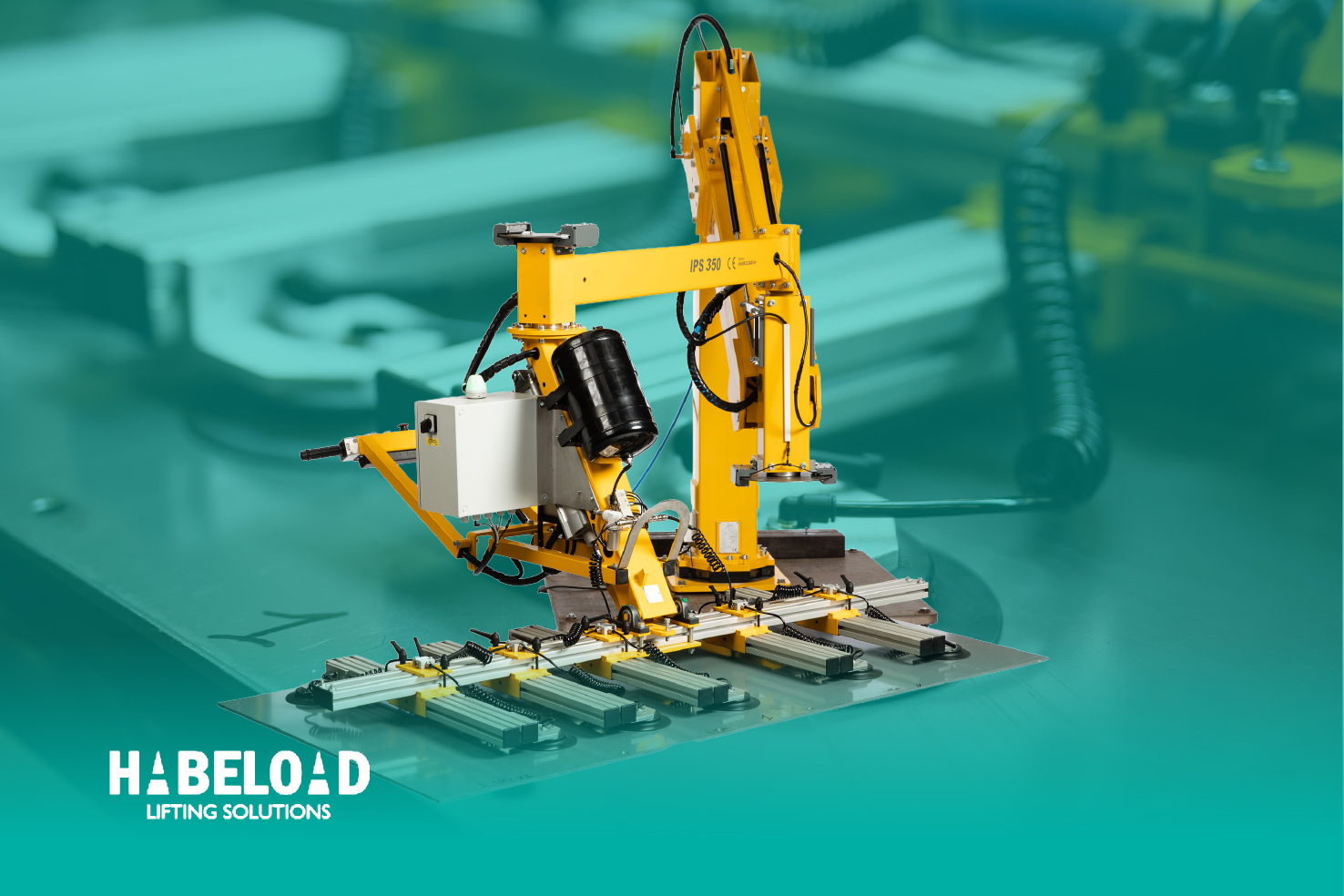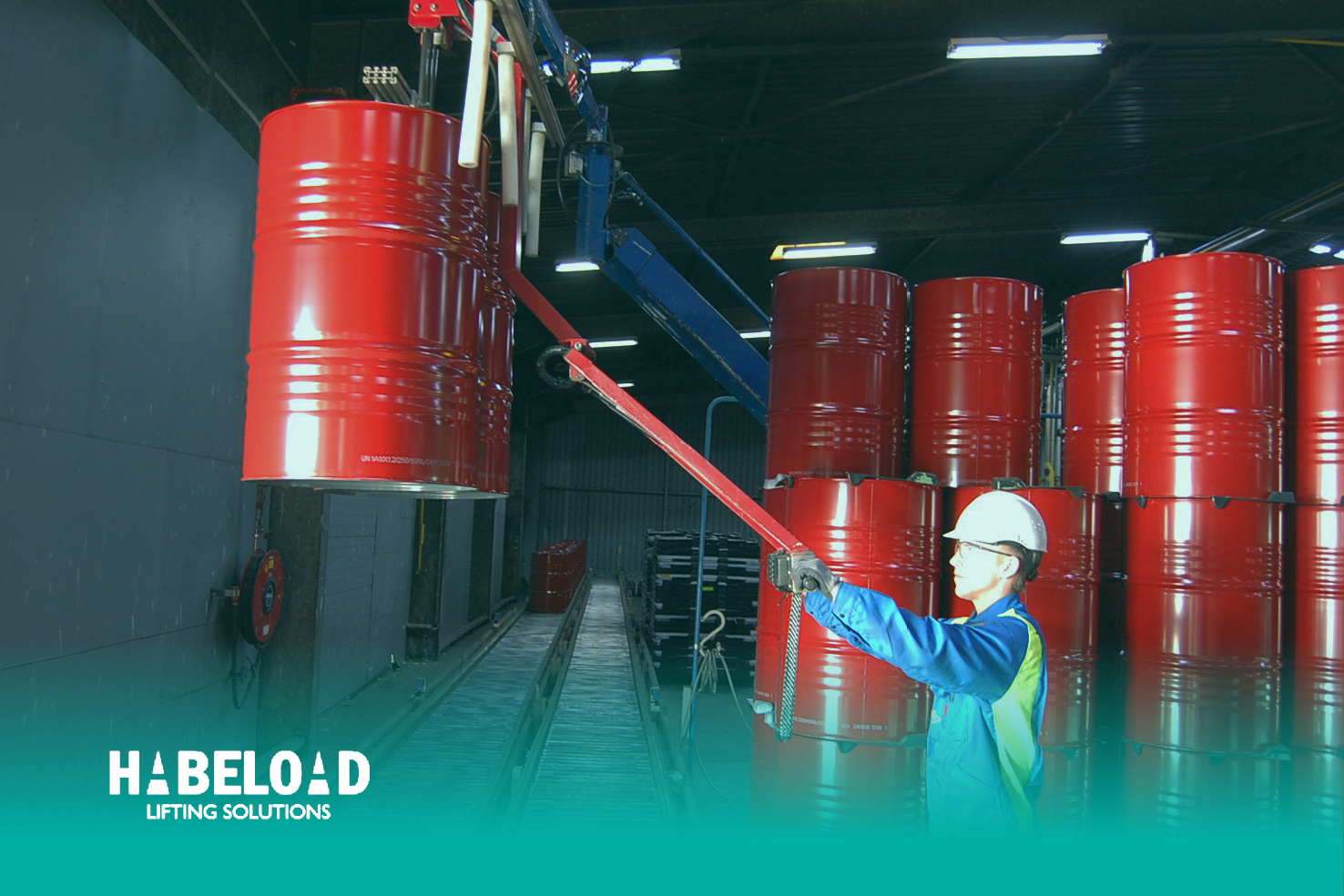
When production capacity is under pressure, the focus is often on machinery, software, or staffing levels. Yet, the cause of delays frequently lies elsewhere: in the manual tasks between process steps. Moving, rotating, positioning, and stacking products often takes more time than organizations realize. This is precisely where the greatest opportunities lie to increase process capacity without immediately investing in additional staff or automation.
When production capacity is under pressure, the focus is often on machinery, software, or staffing levels. That makes sense. But in practice, the cause of delays often lies elsewhere.
Between machines. Between process steps. Between operators. Wherever products are picked up, moved, rotated, positioned, and stacked.
In other words: handling.
Many companies optimize their machinery, while the manual tasks surrounding it quietly start taking up more and more time.
A bottleneck is the step in a process that determines how fast the rest of the process can run. You might have a machine that processes one hundred products per hour, but if an operator can only supply or remove sixty products per hour, the actual capacity remains stuck at sixty.
The bottleneck sets the pace. And that is exactly where manual lifting is often underestimated.
In many production environments, lifting tasks have evolved over time.
For example:
A single action might only take a few seconds. But when it is performed hundreds of times a day, the impact suddenly becomes much greater.
This is often one of the first signs. When a product is so heavy or awkward that two employees are needed to move it safely, dependency is created.
One employee has to wait for the other. Tasks must be coordinated, and capacity becomes directly tied to the availability of two people.
In a time when technical staff is scarce, this can become a significant limitation.
Productivity isn't just about speed. Energy also plays an important role.
Physically demanding work can lead to fatigue, causing productivity to drop throughout the day. Furthermore, long-term physical strain can contribute to health issues and absenteeism. Both TNO and Arboportaal highlight the link between physical strain, health complaints, and employee employability.
The result? The capacity of a process becomes increasingly dependent on the physical stamina of employees. Also read about what manual lifting really costs your organization.
Many companies look at machine utilization rates. But how often is a machine waiting for an operator?
For example, because:
When this happens regularly, handling may have become the limiting factor.
An interesting question:
What happens when production increases by 20%?
Does that automatically mean staffing levels need to increase by 20%?
If the answer is "yes," there is a good chance that a significant part of the process is still heavily dependent on manual labor. That is precisely where opportunities for optimization often arise.
In many organizations, there are no major problems. Just many small ones. An employee has to wait for a moment. A product needs to be repacked. A pallet is just a little too far away. A colleague has to help with lifting.
Individually, these moments seem insignificant. Together, however, they can cost hours of productive time each week.
Walk the shop floor and ask the following questions:
Often, the greatest opportunities for improvement become visible as soon as you stop looking at the machines and start looking at the movements between them.
Sometimes it is thought that ergonomics is primarily about comfort.
In reality, ergonomics and productivity often go hand in hand.
When physical strain decreases:
Ergonomic improvements are therefore increasingly being used as part of process optimization.
The pitfall is looking only for major problems. In practice, the greatest improvements often come from organizing small, frequent tasks more intelligently.
Tasks that are performed hundreds of times a day often have the greatest impact on the overall process.
When production capacity lags, the cause is not always machines, software, or personnel. Often, the limitation lies in the manual handling between process steps.
If employees have to wait, lift heavy loads, or rely on colleagues to perform tasks, handling may have become the unnoticed bottleneck in the process.
The question is therefore not just:
How fast can our machine produce?
But also:
How fast can we move products through the process safely and efficiently?
That answer ultimately determines the true capacity of your organization. Are you unsure which solution best fits your process? Read which factors determine which lifting aid best suits your application.
Curious about where your opportunities for improvement lie? Please contact us for a no-obligation discussion about your handling or lifting process.