Products often go through multiple handling steps before they are ready for delivery. With every move, rotation, or positioning, there is a risk of scratches, deformations, or other damage. By limiting the number of handling steps, standardizing work methods, and handling products in a controlled manner, organizations can prevent damage while working more efficiently.
When organizations look at quality, the focus is often on production processes, machines, and final inspections. Yet, much damage does not occur during production, but rather during the movement of products.
A product is picked up, moved, rotated, stacked, or temporarily stored. It is precisely during these actions that risks of damage, deformation, or scratches arise. Often, it is not one major error, but small damages that accumulate throughout the process.
Many handling processes have evolved over the years. Employees know how to move products, and the process seems to work. As a result, potential risks are not always critically examined.
Yet, damage can be caused by:
When thinking of product damage, many organizations think of a broken product. But damage can also be less visible.
Consider, for example:
Even when a product is still usable, these situations lead to extra work, delays, and higher costs.
A damaged product costs more than just the material.
Other costs are often involved as well:
As a result, the true cost of product damage is often higher than it appears at first glance.
Every extra handling step increases the risk.
Ask yourself: Does this product really need to be picked up multiple times?
It often turns out that processes can be designed more simply.
When employees have to reach, bend, or twist frequently, control over a product decreases. According to TNO working postures and physical strain play an important role in safe and efficient operations.
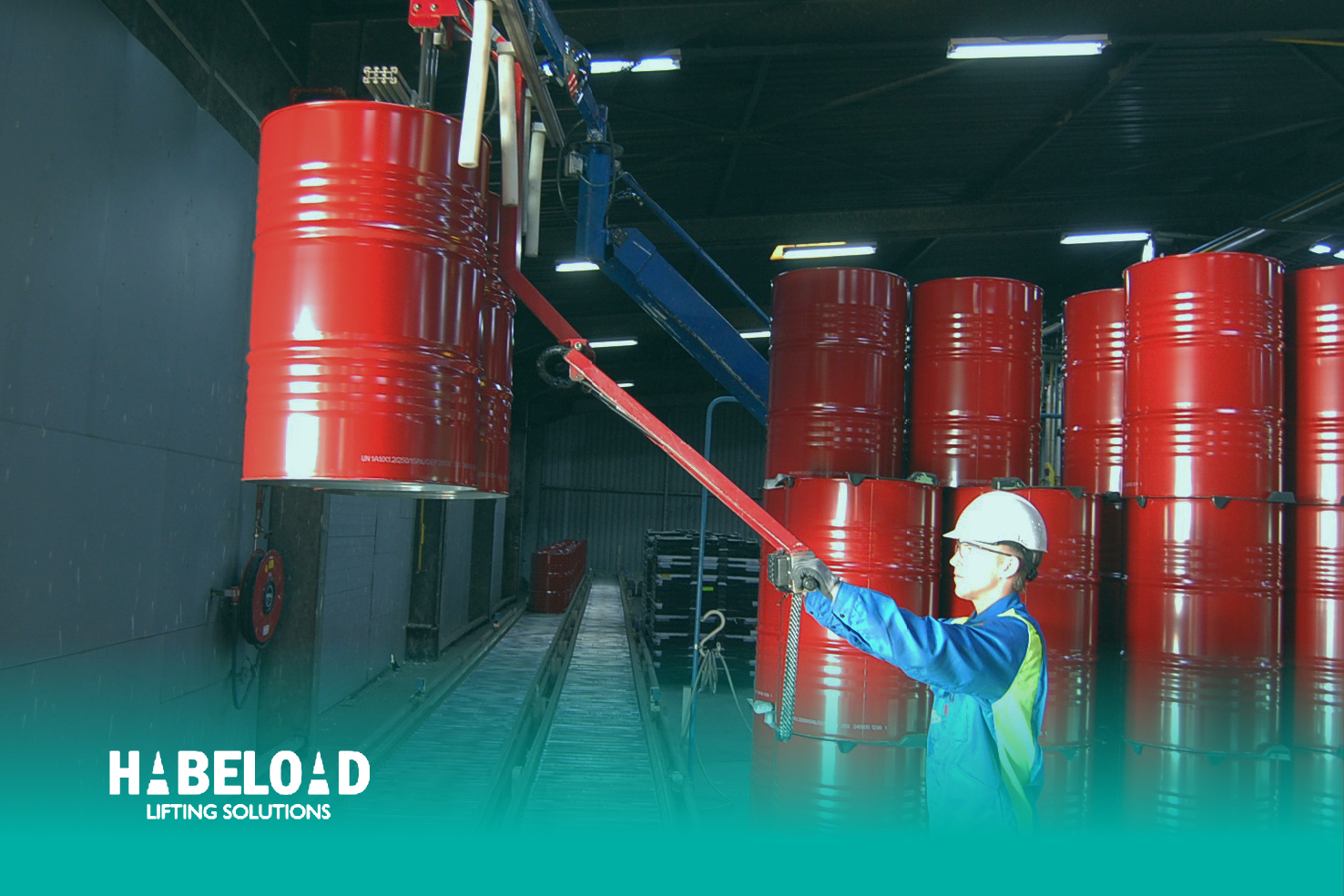
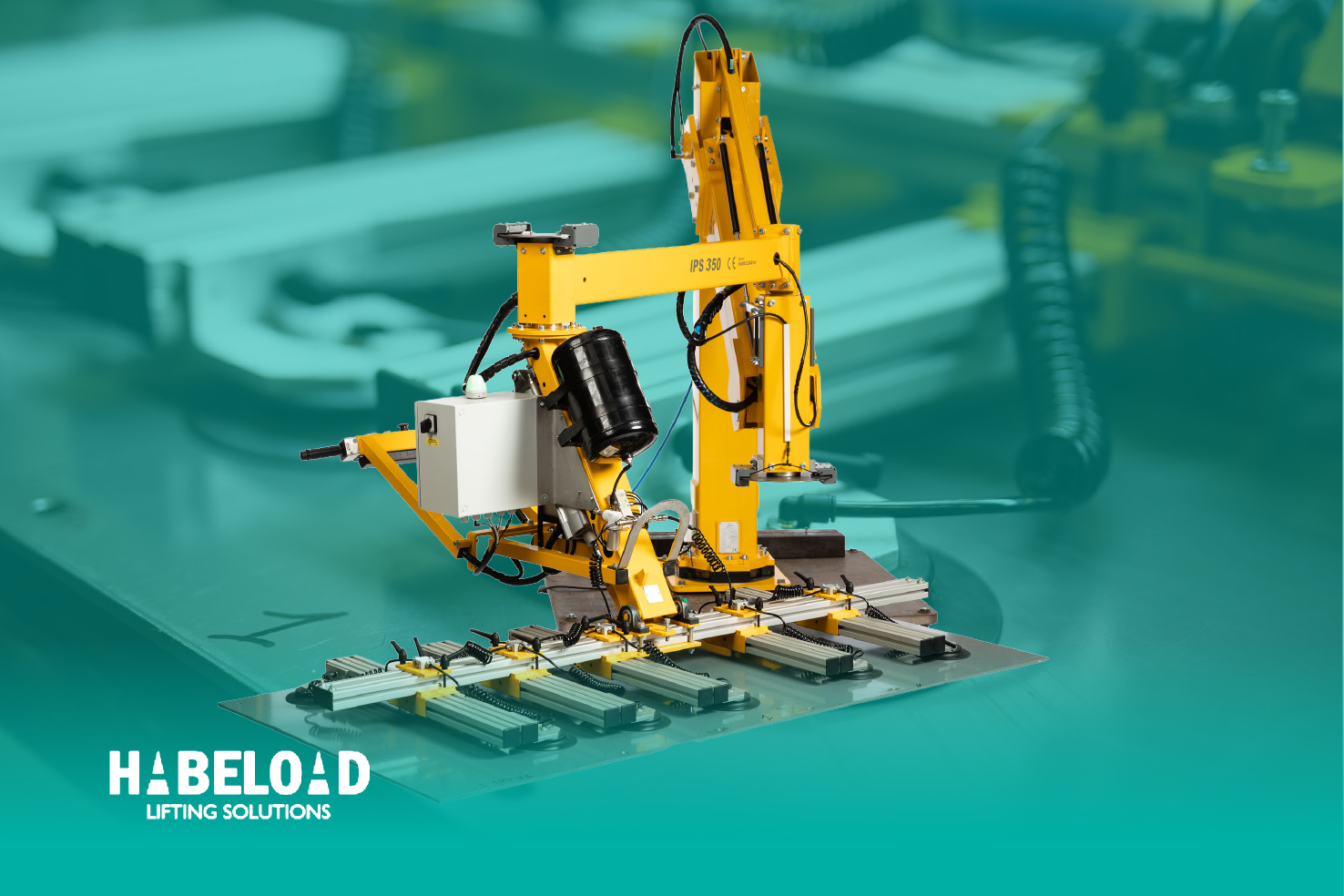
Large, heavy, or irregularly shaped products are harder to keep under control. These specific products require a well-considered handling strategy. The shape, material, and surface of a product determine which gripper is suitable for the application.
Physical strain affects not only health but also concentration and accuracy. Arboportaal indicates that physical strain can lead to health issues. Prolonged strain can reduce employee availability and contribute to absenteeism. Read what manual lifting really costs your organization.
Walk through the process step by step. Ask yourself questions such as:
Improvements often become visible quickly. Do you want to determine which solution fits your process? Then read which lifting aid best suits your application.
The safest handling is often the handling that doesn't need to happen at all. Less movement usually means less risk.
When every employee uses a different method, quality variations occur. A clear and uniform approach helps to limit damage.
When employees don't have to lift as much or can position products more easily, control during handling often increases. Ergonomic improvements are therefore frequently implemented to reduce physical strain and make processes more reliable.
Do you recognize one or more of the situations below?
Then it is likely time to take a closer look at the handling process.
Many organizations try to reduce damage by improving packaging or better protecting products. That can help, but the biggest gains are often found elsewhere: in limiting handling, in the layout of workstations, or in the way products are moved.
Product damage during internal transport is rarely caused by one major error. It is often the result of many small risks within a process. By taking a critical look at handling, working postures, and process design, organizations can prevent damage, improve quality, and work more efficiently at the same time.
The most important question is therefore not:
How do we protect the product?
However:
How do we ensure the product is at minimal risk throughout the entire process?
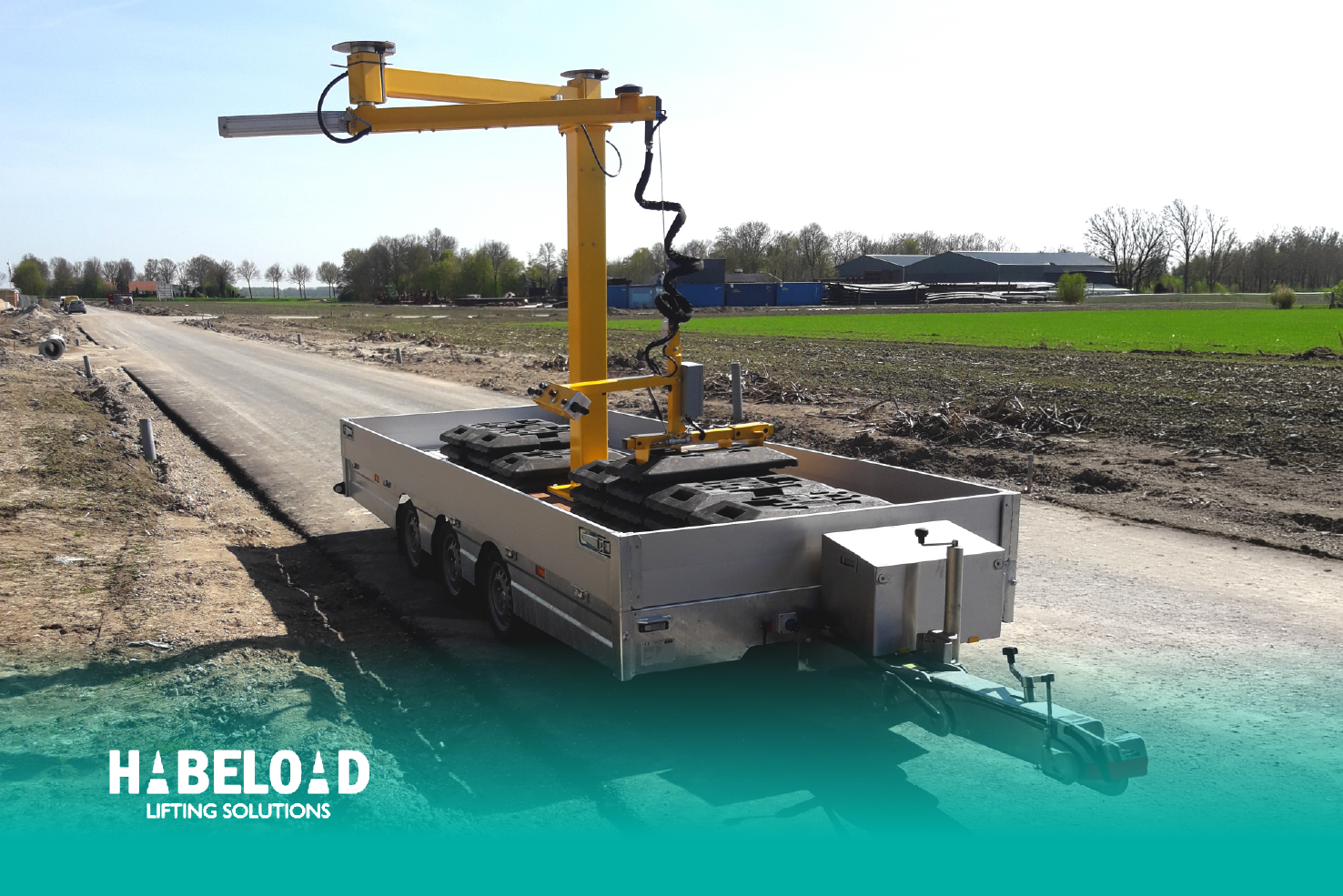
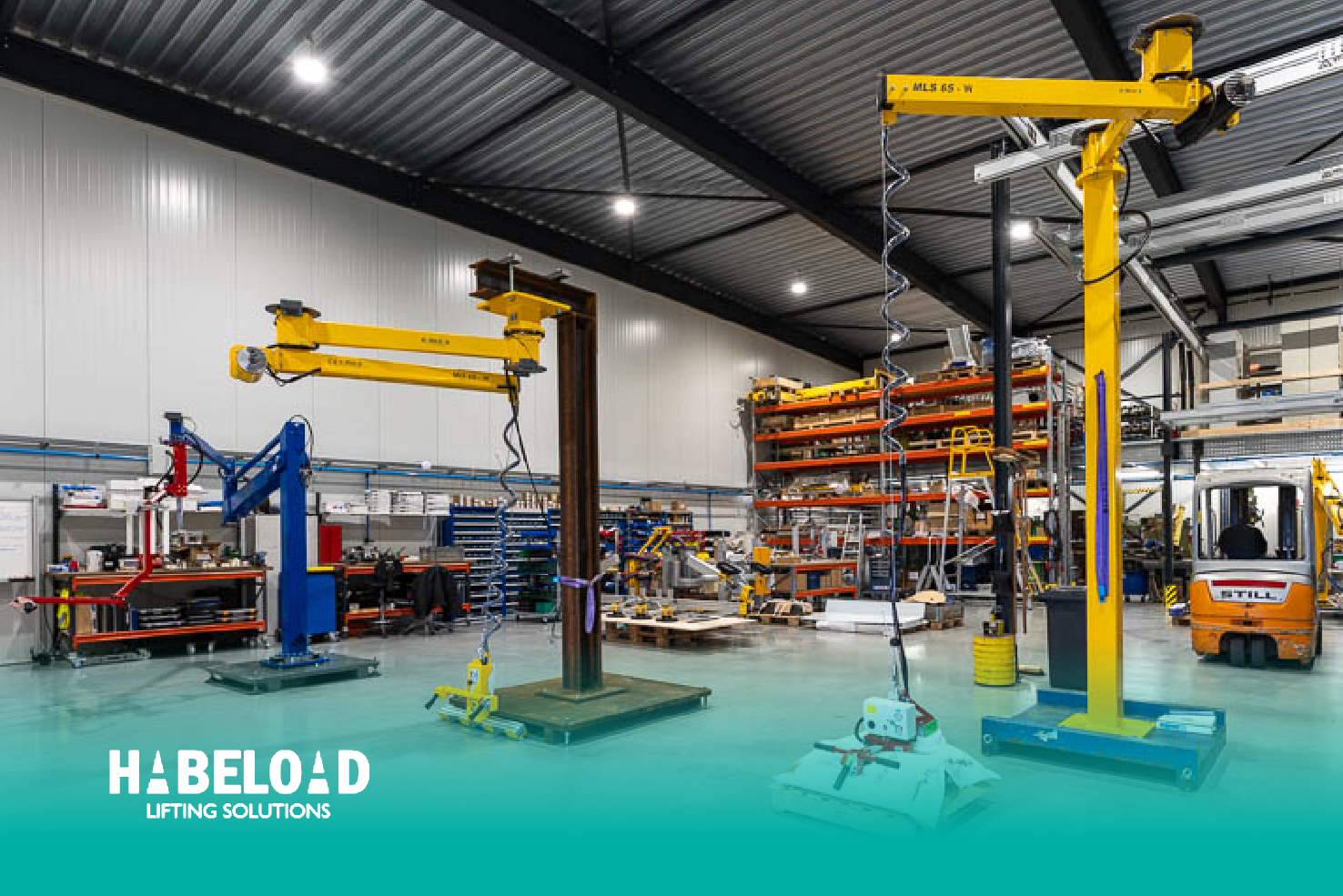
Large, heavy, or fragile products require a handling process that suits their shape, material, and surface. By properly aligning the working method, gripper, and lifting solution, the product can be moved in a controlled manner.
Get in touch for a no-obligation consultation about your application.