Back pain in the workplace is often the result of repetitive lifting, awkward working postures, and tasks that lack sufficient variety. By looking beyond just lifting techniques to include work heights, reach distances, and process design, organizations can structurally reduce physical strain and help prevent injuries.
When someone goes on leave due to back pain, people often look for that one specific moment when things went wrong.
In practice, back pain is usually not caused by a single heavy lift, but by a combination of factors. Think of repetitive lifting, working in awkward postures, frequent reaching, bending or twisting, and a lack of recovery time. According to Arboportaal physical strain from lifting, carrying, and working postures can lead to health issues and long-term absenteeism.
The question, therefore, is not just how employees can lift safely, but primarily how the workplace can be designed to minimize physical strain as much as possible.
Back pain affects not only the employee but the organization as well. When physical complaints increase, it can lead to:
According to TNO excessive physical strain at work can contribute to health problems and absenteeism. That is why many organizations are paying increasing attention to sustainable employability and ergonomics. Want to know more about the consequences for your organization? Read what manual lifting really costs your organization.
It is not just heavy loads that pose a risk.
Lighter products that are moved dozens or hundreds of times a day can also lead to strain. The Arboportaal indicates that even relatively light loads can cause issues when lifted frequently or moved from an awkward posture.
A lot of back strain occurs because employees:
A common situation:
An employee picks up a product and immediately turns to a different position.
It is precisely this combination of lifting and twisting that puts extra strain on the back.
When employees perform the same movement for long periods, it places greater strain on muscles and joints. Varying tasks can help to limit this strain.
A workspace that works well for one employee may not be optimal for another. Work heights, reach distances, and the positioning of products have a major impact on physical strain.
Tasks performed between knee and shoulder height are generally less strenuous than those performed near the floor or overhead. TNO recommends, where possible, neutral working postures and limiting extreme joint angles.
The best lifting task is often the one that doesn't need to be performed at all.
Therefore, take a critical look at your processes:
Many employees only realize their work is strenuous once complaints arise. Regularly focusing on working postures, work methods, and physical strain helps to identify risks earlier.
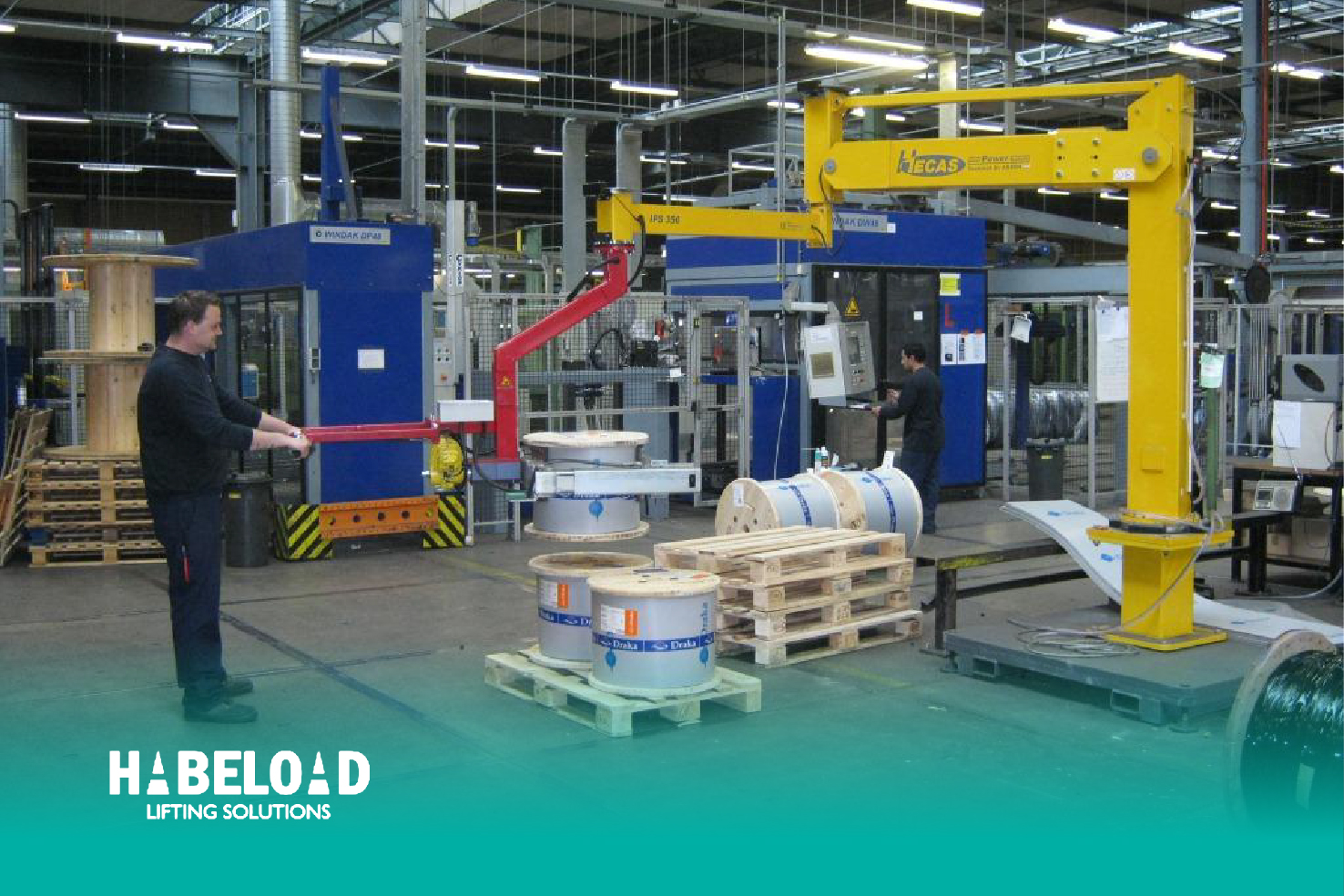
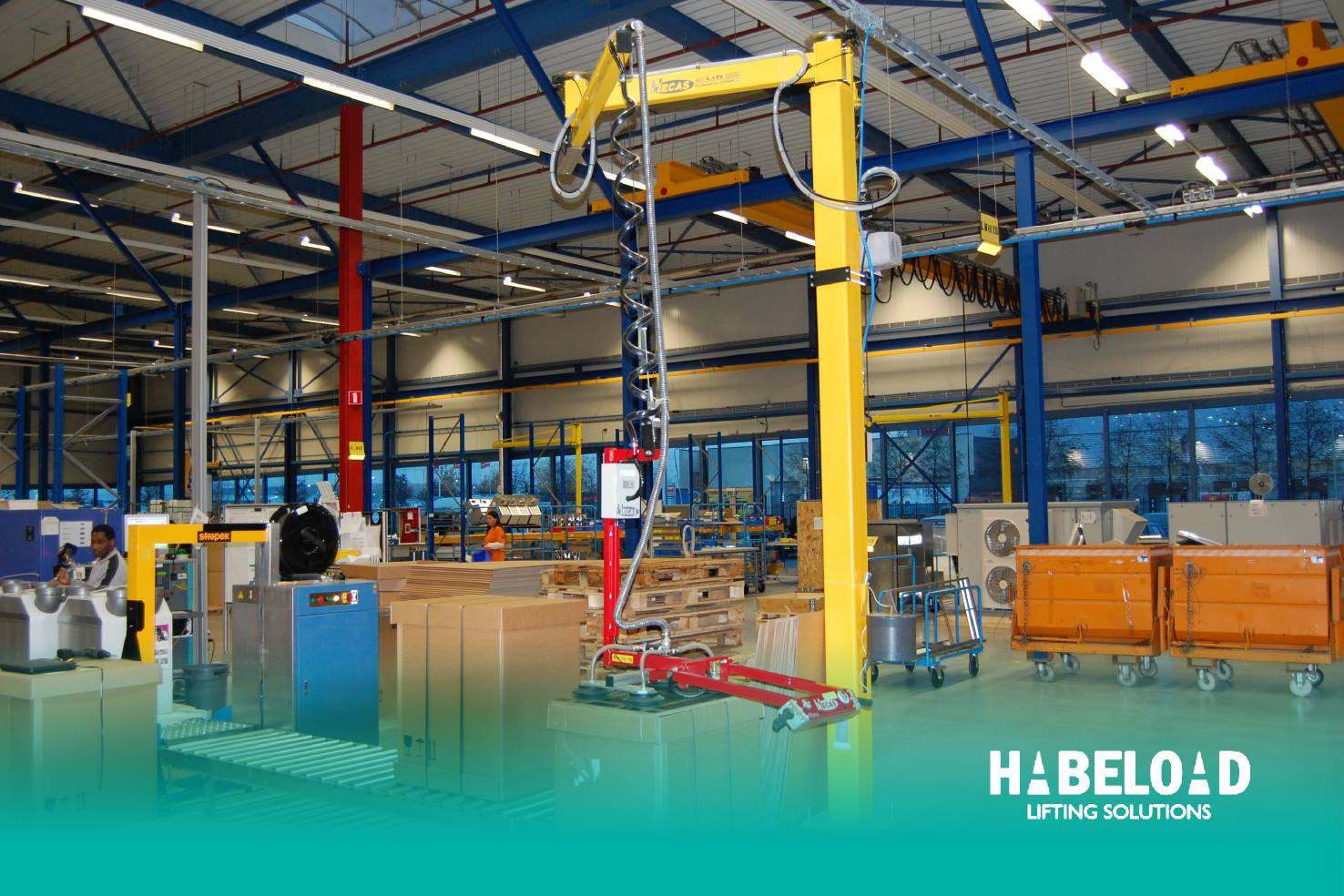
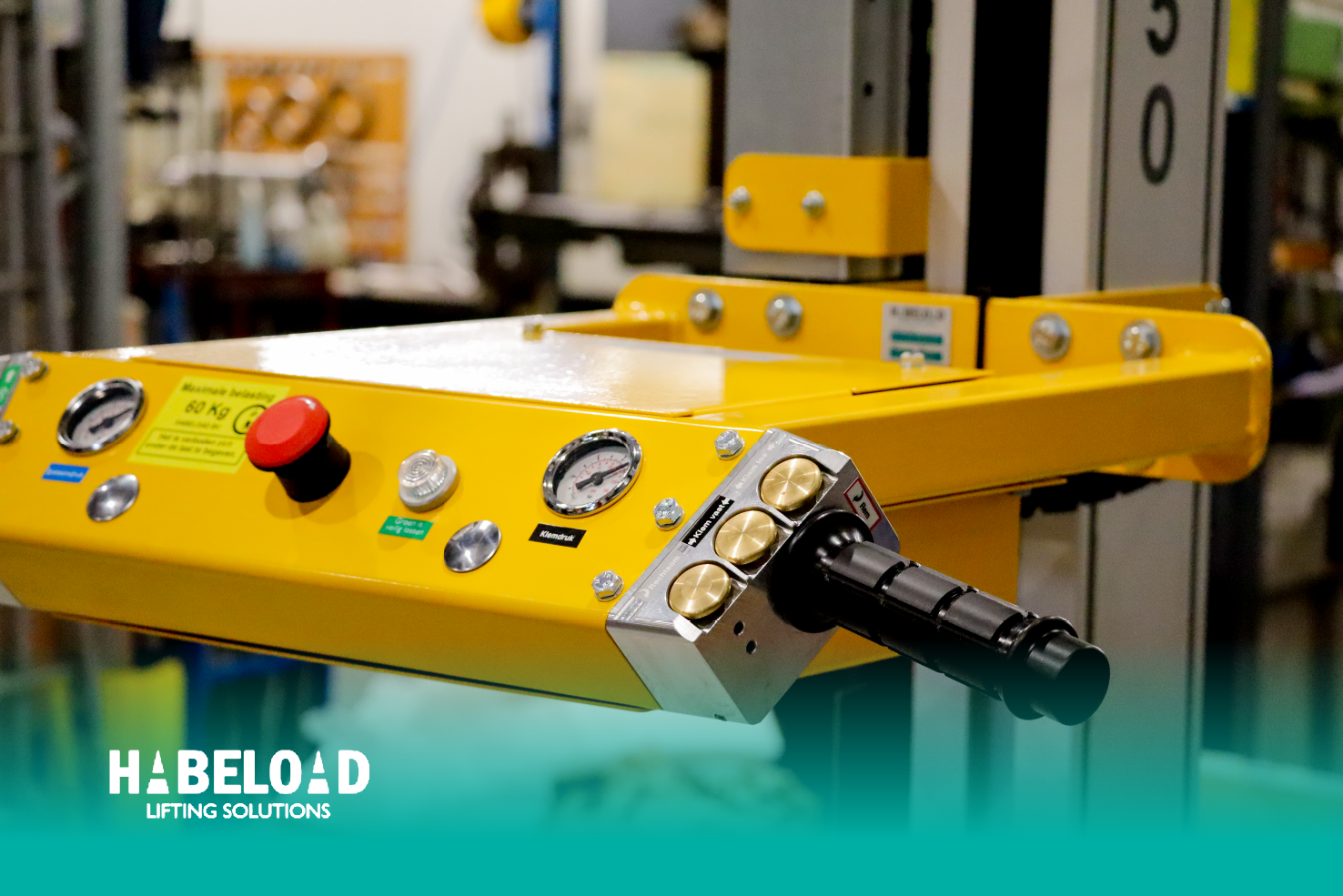
When tasks are regularly heavy or repetitive, it may be wise to use aids to reduce physical strain. Ergonomic tools are often used in industrial environments to help employees work more safely and healthily.
Ask yourself the following questions:
The more often the answer is "yes," the greater the chance that there is room for improvement.
Many organizations focus on what employees should do differently. But the biggest improvements often come from looking at the process itself. Even the best lifting technique has its limits when someone has to perform the same action hundreds of times a day. A healthy workplace is therefore created not only through good behavior, but also through a smart design of the work environment.
Back pain in the workplace is rarely the result of a single wrong move. It is much more often caused by a combination of lifting, repetition, awkward working postures, and a workspace that is not optimally designed.
By taking a critical look at processes, working postures, and physical strain, organizations can not only prevent complaints, but also increase productivity and keep employees sustainably employable.
The most important question is therefore not:
How do we teach employees to lift better?
But:
How do we design the work so that heavy lifting is avoided as much as possible?
Every workplace and lifting task is different. By looking at the product, lifting frequency, working height, and available space, it becomes clear where ergonomic improvements are possible. Please contact us for a no-obligation consultation about your workplace or handling process.